Luck versus skill Which truly rules the gambling world
The Role of Luck in Gambling
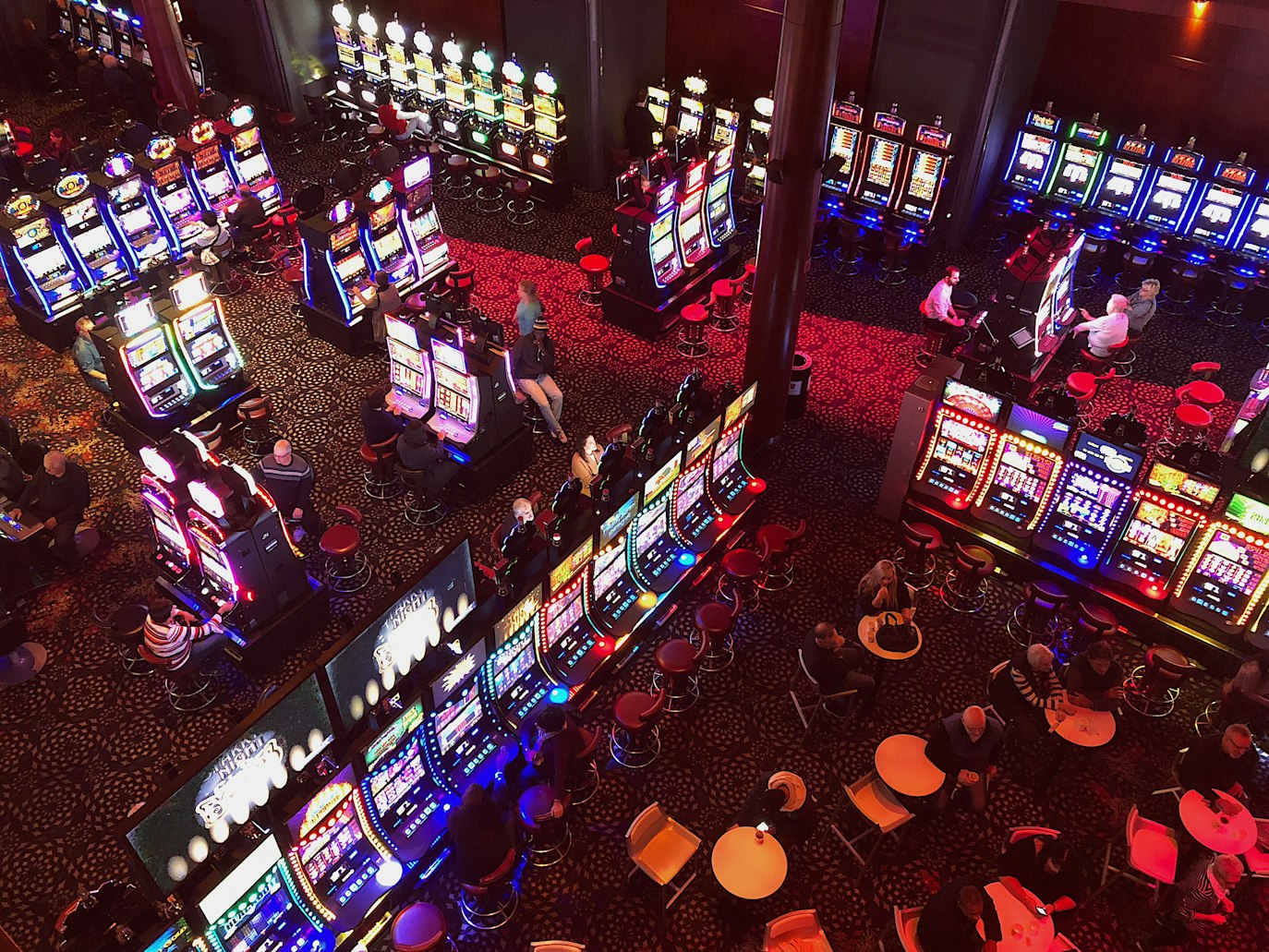
Luck plays a pivotal role in the gambling experience. In many games, especially in traditional casino settings, outcomes are often left to chance. This randomness can lead to substantial winnings or losses, depending solely on favorable circumstances. Games like slot machines and roulette are designed to be unpredictable, appealing to those who enjoy the thrill of uncertainty. For those interested in unique experiences, trying the ice fishing casino can be an exciting option.

This reliance on luck creates a unique psychology for players. The excitement generated by a big win can lead to addictive behaviors, as individuals chase that elusive high. While luck can provide immediate gratification, it can also lead to frustration when wins are infrequent, highlighting its unpredictable nature in the gambling realm.
The Importance of Skill in Gambling
While luck is an undeniable factor, skill also plays a significant role in many gambling activities. Games such as poker, blackjack, and sports betting require a deep understanding of strategy, probability, and psychology. Skilled players can leverage their knowledge to increase their chances of winning over time, making informed decisions based on statistical analysis and their reading of opponents.
The psychological aspect of skill is equally crucial. Players who understand the game can manage their emotions better, resist impulsive decisions, and apply tactics that maximize their winnings. In these scenarios, skill acts as a counterbalance to luck, suggesting that mastery can enhance the gambling experience and lead to more consistent results.
Luck and Skill: A Delicate Balance
The debate between luck and skill is ongoing and complex. In many cases, the two elements intertwine to create a comprehensive gambling experience. For instance, even in skill-based games, a lucky draw or a fortunate turn of events can drastically influence outcomes. Conversely, a skilled player might still face challenges due to bad luck at critical moments.
This delicate balance is what keeps players engaged and returning for more. Understanding when to rely on luck and when to utilize skill can be the key to success. For many, the unpredictability of luck combined with the satisfaction of skill offers the best of both worlds, making gambling an enticing prospect for individuals seeking thrill and challenge.
The Psychology of Gambling Behavior
Gambling behavior is deeply rooted in psychological principles, where the interplay of luck and skill shapes experiences. Players often overestimate their control over outcomes, leading to the illusion that skill can overcome luck. This phenomenon, known as cognitive bias, can result in misguided betting patterns and increased risk-taking.
Additionally, the excitement and anticipation associated with gambling can trigger dopamine release in the brain, reinforcing behaviors regardless of skill level. Players may continue to gamble, driven by the hope of a big win, even when they recognize that luck plays a more substantial role than their abilities. Understanding these psychological factors can help in managing gambling habits more effectively.
Your Gateway to Online Gambling
Our platform offers insights into the world of online gambling, catering to both novices and seasoned players. With an emphasis on understanding the balance between luck and skill, we provide valuable resources for those looking to navigate the gambling landscape. By exploring various game mechanics, strategies, and psychological aspects, players can make informed decisions and enhance their gaming experiences.
Join our community today to access a wealth of information on payment methods, bonuses, and gameplay tips. Whether you’re casting your line in an ice fishing game or testing your luck at the tables, we are here to support you in your gambling journey, helping you find the right balance between luck and skill for a rewarding experience.